Foil Blocking Techniques: Your Guide to Hot, Cold and Digital foiling
Foil Blocking Techniques: Your Guide to Hot, Cold and Digital foiling
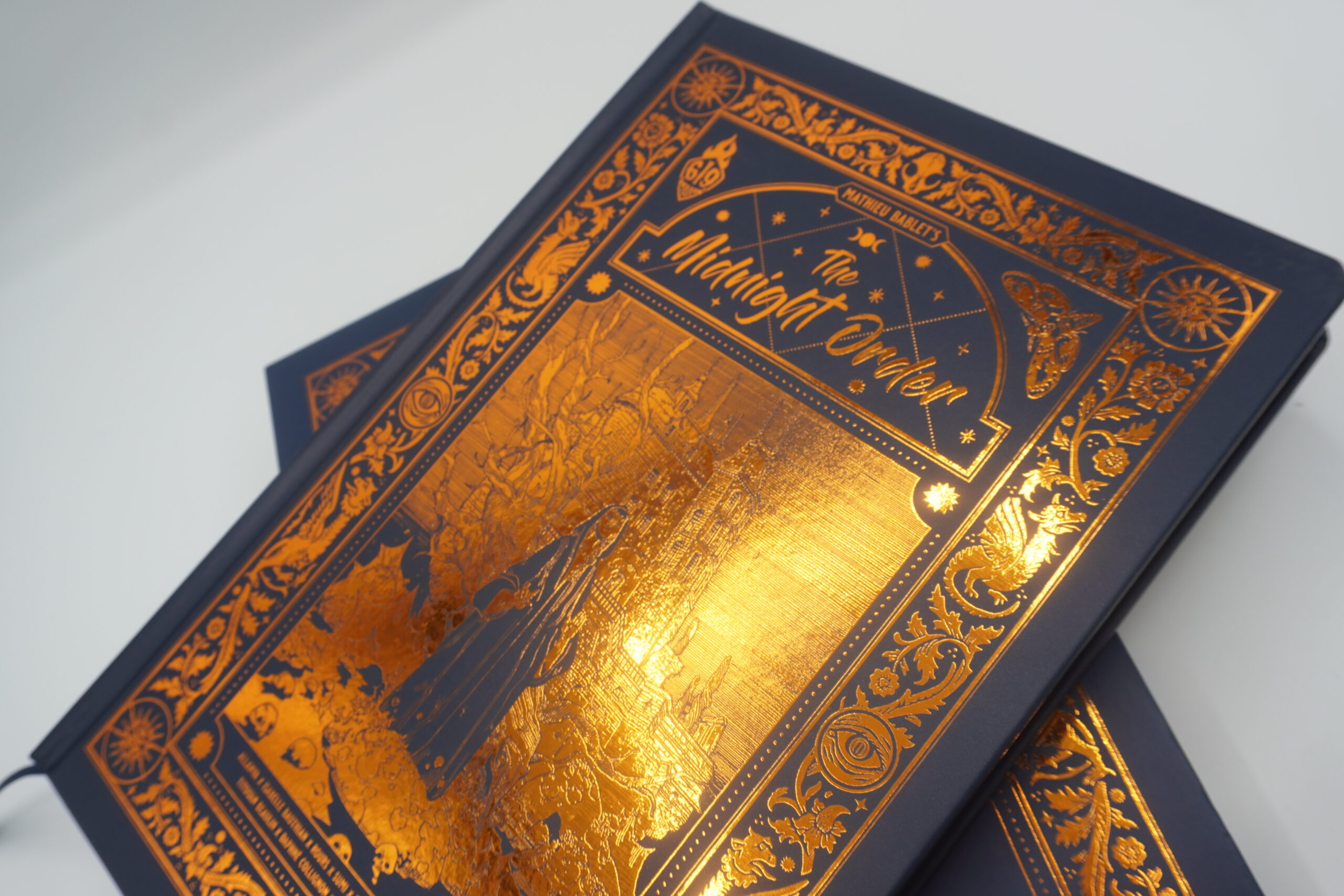
Foil blocking is one of the most visually striking finishes in commercial and book printing, but did you know there are several different ways to achieve the foiling effect? In this blog, we’ll take a look at the different types of foiling, from traditional foil blocking (or hot stamping) to cold foil and the relative new kid on the block – digital foiling. We’ll look at how they differ and what they can be used for.
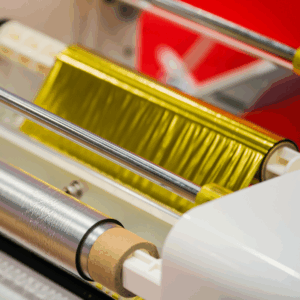
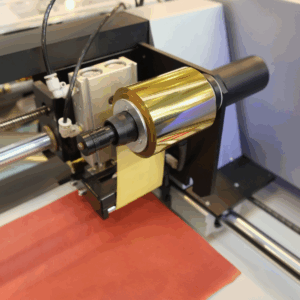
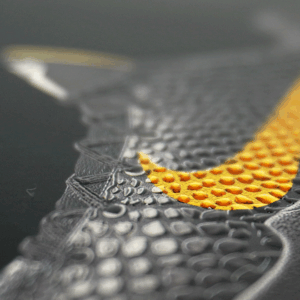
Foil blocking is a decorative printing technique that applies metallic or pigmented foil to a surface using heat, pressure, or adhesive. There are three main methods of foil blocking, each with its own advantages and ideal use cases:
Hot Foil Stamping
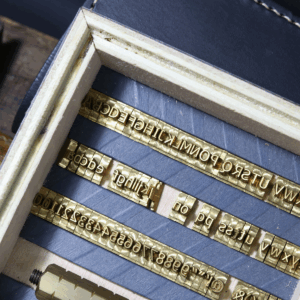
- A heated metal die (brass or aluminium) presses foil from a roll onto the substrate. Brasses can be flat or engraved deeply for an emboss, deboss or multi-level effect
- The heat activates the adhesive on the foil, bonding it to the surface.
Materials: Paper, leather, PU, and imitation cloth and real cloth.
Pros:
- High-quality finish, good level of detail.
- Long-lasting and durable.
- Widely selection of foils and effects available.
- Many printers have in house.
Cons:
- Requires custom dies so involves higher setup cost).
- Not ideal for short runs or variable data.
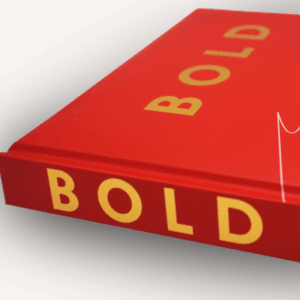
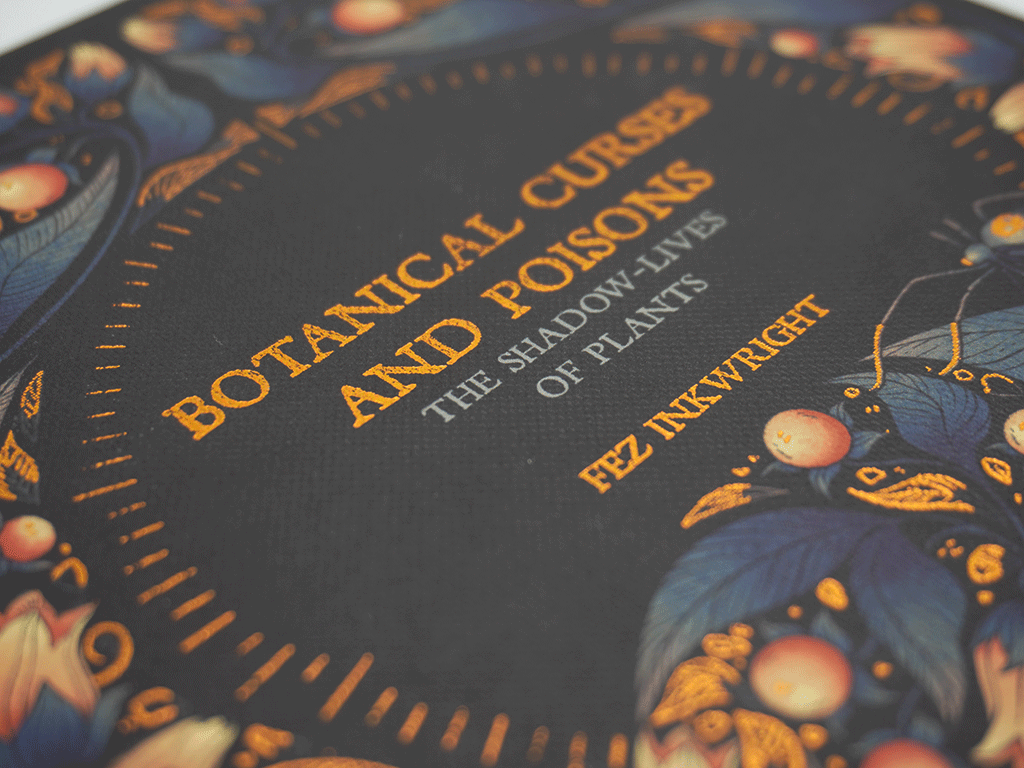
Best for: Luxury packaging, book covers and jackets

Cold Foil
Process:
- Cold foiling is typically done inline during the same pass as the printing process
- A UV-curable adhesive is printed onto the substrate using a printing plate.
- Foil (generally silver, sometimes gold) is pressed onto the adhesive and cured with UV light.
- The foil sticks only where the adhesive was applied.
- CMYK inks are then printed on top of the foil which can create a wide range of metallic colours
Materials: Mostly paper and board.
Pros:
- Faster and more cost-effective for long runs.
- An inline process, so no need for extra dies / processes.
- Impressive effects and colour range achievable as this is essentially printing onto a foil substrate.
Cons:
- Not suitable for uncoated or textured papers
- Flat surface, less tactile
- Requires specialised equipment, not all presses are equipped for cold foiling – limited supplier choices
Best for: Magazines, labels, packaging with high-volume runs.

Digital Foiling
Process:
- Uses digital printing technology to apply foil without dies.
- Typically involves printing a toner or varnish layer that the foil adheres to.
Materials: Paper and card stock.
Pros:
- No dies needed—great for on demand, short runs and personalisation.
- Allows for fine detail and layered textures thanks to precise digital registration.
- Some presses can add spot varnish and emboss effects in a single pass.
- Lower setup cost but might be higher running costs depending on coverage.
Cons:
- Slightly less durable than hot foil.
- Limited to certain foil types and substrates.
- Requires specialist machinery (Scodix , MGI)
- Design process more complex, requires more skill if multi layer embossing effects required
Best for: prototypes, short-run packaging, book covers


What Foil Blocking Techniques for Your Job
Still not sure which direction to go? Here are a few things to consider when speccing your next project:
Hot foil works brilliantly on textured or uncoated stocks
Cold or digital foil prefers smooth, coated boards
Tiny lines and delicate detail? Digital or UV cold foil is your friend
Big bold Design? Choose Hot foil
Short runs = digital foil
Medium to high volume = hot foil stamping / cold foil
Want a deboss or textured finish? Consider hot foil or digital foil with a raised varnish / emboss
Need flat but bright metallics with wide colour gamut? Cold foil could be best
- Hot foils – higher energy usage as foil is applied with heat and pressure. Paper with hot foil stamping can be recycled
- Cold foils – no heat in process, so less energy but uses uv curable adhesives which may have environmental impact
- Digital foils – applies foil directly from a digital file, less waste and lower energy use.

Thinking of Adding Foil Blocking Techniques to Your Next Project?
Our expert team can help you no matter what is your printing project or the stage you’re at, we can walk you through options that work for your format, timeline, and budget.
Not sure where to start? No problem. Just drop us a message. We’re always up for a chat about paper, foil, or anything print related!
Share This: