Autumn Printing Trends 2026
Autumn Printing Trends 2026
Top Book Publishing Trends to Watch in Autumn 2026
As we’re getting ready for a cosy autumn, and with Frankfurt Book Fair just wrapped, it’s time to unwrap the upcoming trends for the season ahead.
And the consensus? Books are becoming about more than reading. They’re becoming things you can wear, play with, light up and even display as decorations.
We’ve been working behind the scenes on a fair few of these projects lately, so here’s our round-up of the trends we’re seeing (and making) this autumn.
Book Charms
Charm bracelets, phone charms, bag charms… the charm trend is really catching, so it was probably only a matter of time before it found its way into publishing.
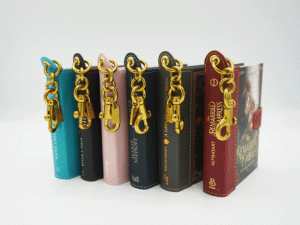
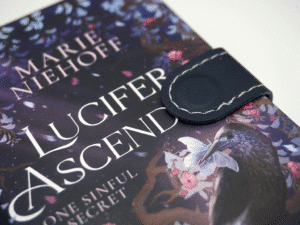
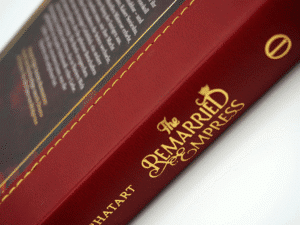
One recent example is this range of book charms created for BLU/Bookish Love Universe (Holtzbrinck Buchverlage). The charms are miniature cased books with PU quarter bindings and a spine extension fitted with an eyelet, brass chain and carabiner, so the book can be attached to a belt or bag. The PU spines come in a variety of colours, with matching or contrasting stitching and foil detailing to reflect each title.
This project shows just how much engineering can go into a seemingly simple add-on. The PU component must be die-cut, laminated for strength and stitched around the edges, while the eyelet, chain and carabiner all need to comply with the relevant material and safety requirements.
Interactive Books
Interactive formats have always had a special place in children’s and gift publishing, but this autumn we’re seeing them pushed further and executed with real finesse. One project sum it up nicely.
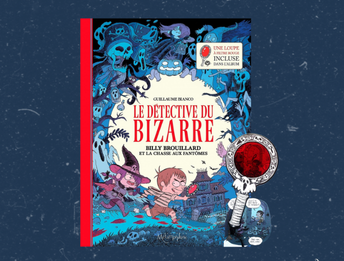
An example from our past production archive is Détective du bizarre, published by éditions Soleil, and comes with its own magnifying glass. The book includes a specially designed slit in the front endpaper where the magnifying glass can be stored.
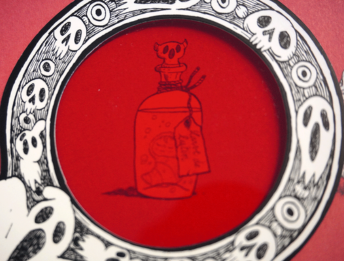
The magnifying glass itself is made from layered card with a transparent red APET element, die-cut to shape and assembled before being attached to the book with a satin ribbon. There are also additional finishing details, including matt lamination and spot UV on the cover.
Thinking through an interactive or novelty children’s format? Our children’s book production team can talk you through what’s possible.
Advent Calendars, Reinvented
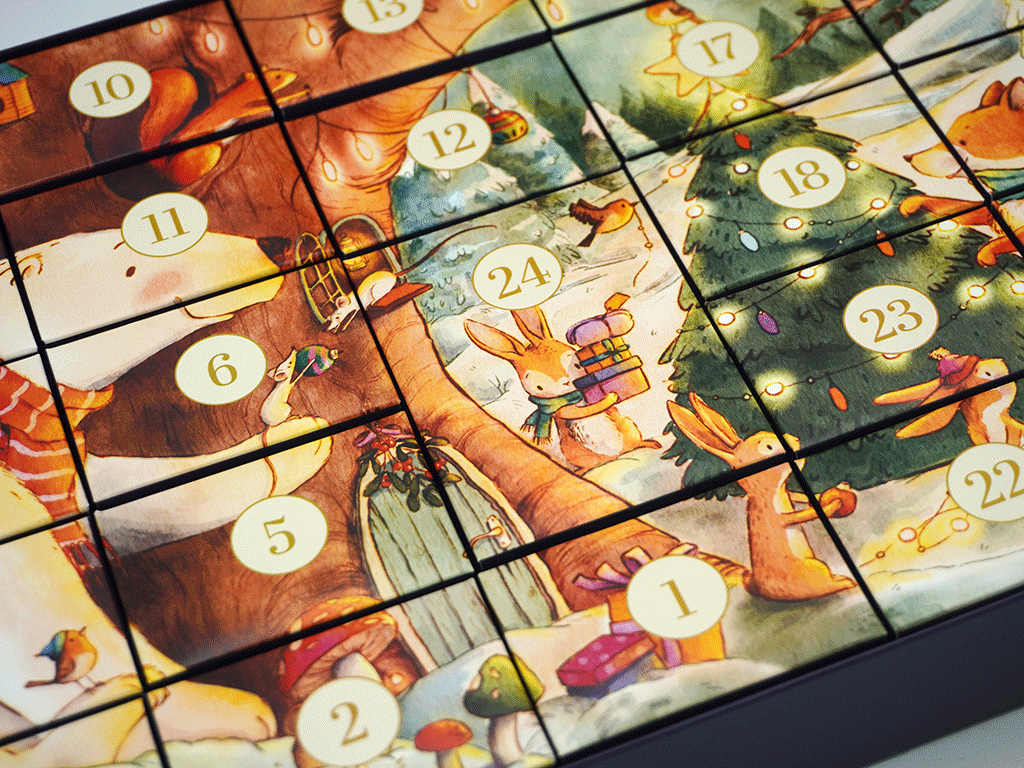
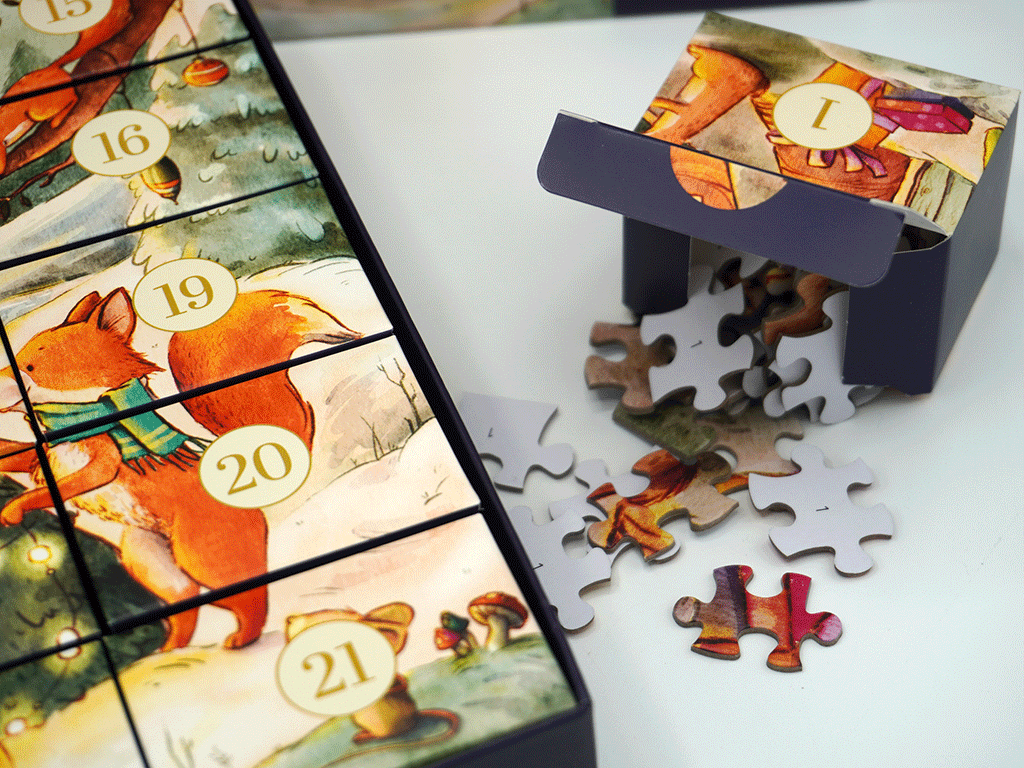
Advent calendars have been part of the build-up to Christmas for centuries, and we’ve produced many, many beautiful traditional advent calendars over recent years. Today, however, the format offers far more than flitter and lift the flap windows. From skincare, food and luxury brands, every sector has their own iteration. One category in particular has grown for us: the puzzle advent calendars.
These are especially interesting because they turn a familiar printed format into a daily experience. Instead of receiving everything at once, the customer builds a puzzle with a small part of the product each day. Each part has been carefully sorted and collated and packed into 24 individual boxes.
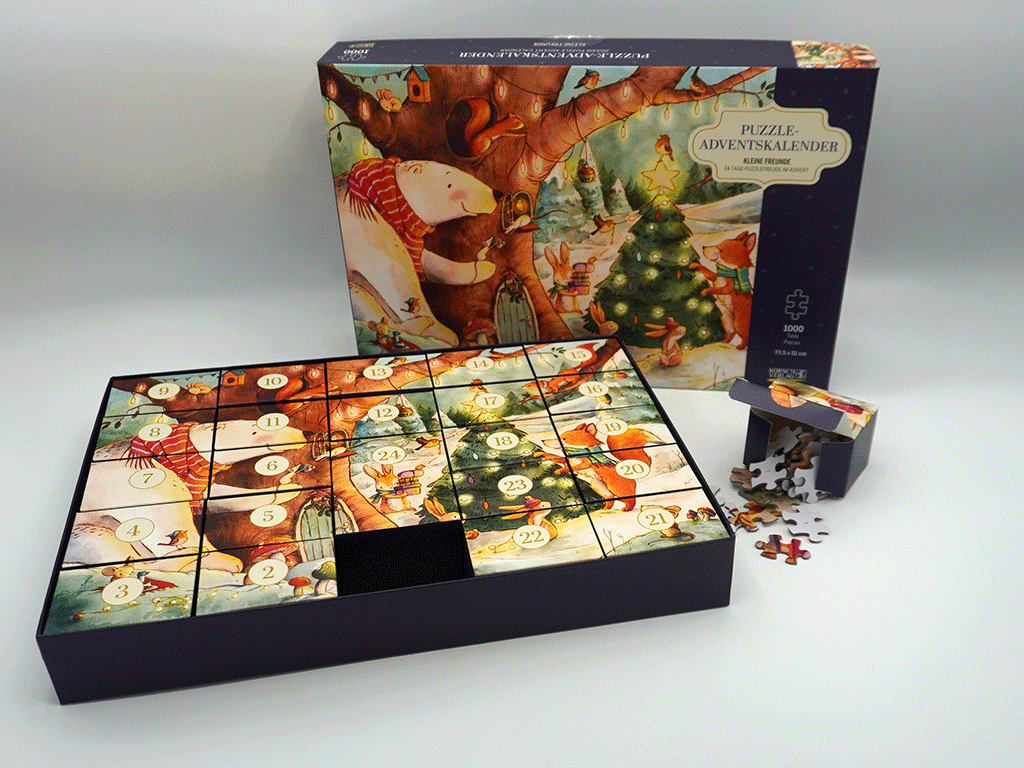
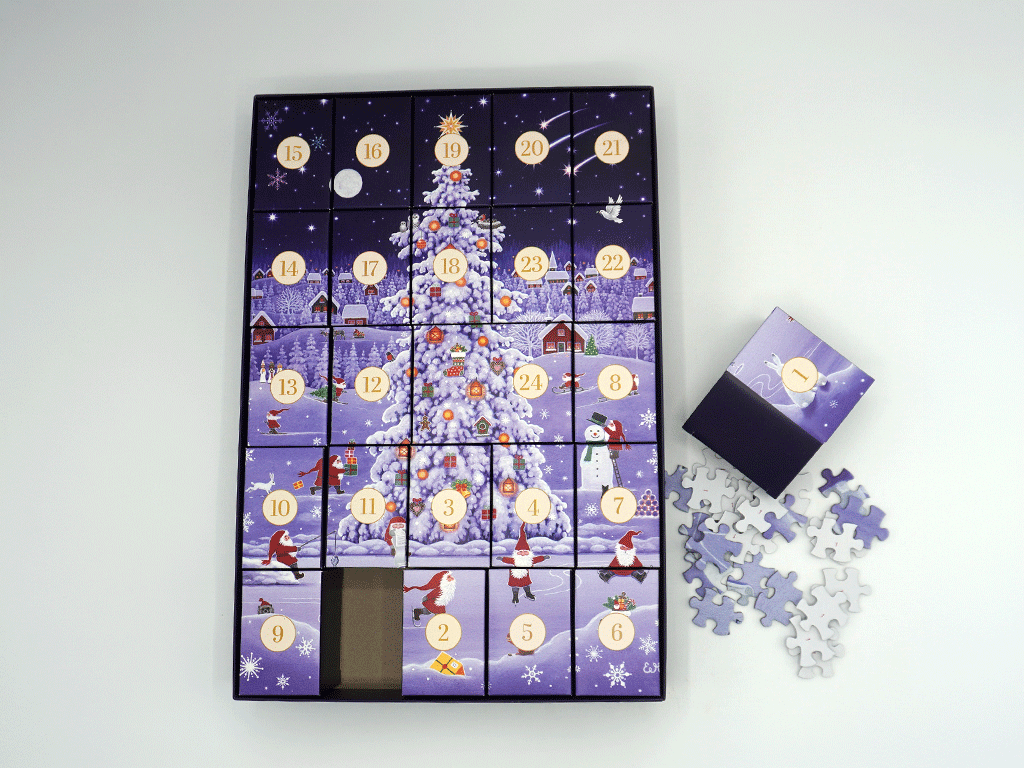
Building an advent calendar for next Christmas? See our advent calendar production options.
Special Bindings
For a long time, binding was the part of a book nobody was supposed to notice. Now it’s become a design choice, and a way to make your project stand out from the others on the shelf.


Exposed-spine binding is a great example. Instead of hiding the sewing under a cover, the spine is left bare, so the threads and folded sections are on show, often stitched in bold or contrasting colours. It gives a book a handcrafted, almost artisan feel, which is why we’re seeing it chosen more and more for art books, limited editions and gift titles. It’s practical too: with no spine linings holding it back, the book opens beautifully flat.
Lay-flat binding is also growing in popularity, especially for photography, cookery or illustrated titles. The book opens a full 180°, so an image can run right across the spread without disappearing into the gutter.
Thinking about exploring different binding options? Talk to us about the options.
Less Plastic, More Texture
While interactive and embellishments to books are becoming more ambitious, another trend is moving in the opposite direction: simplifying materials where possible.
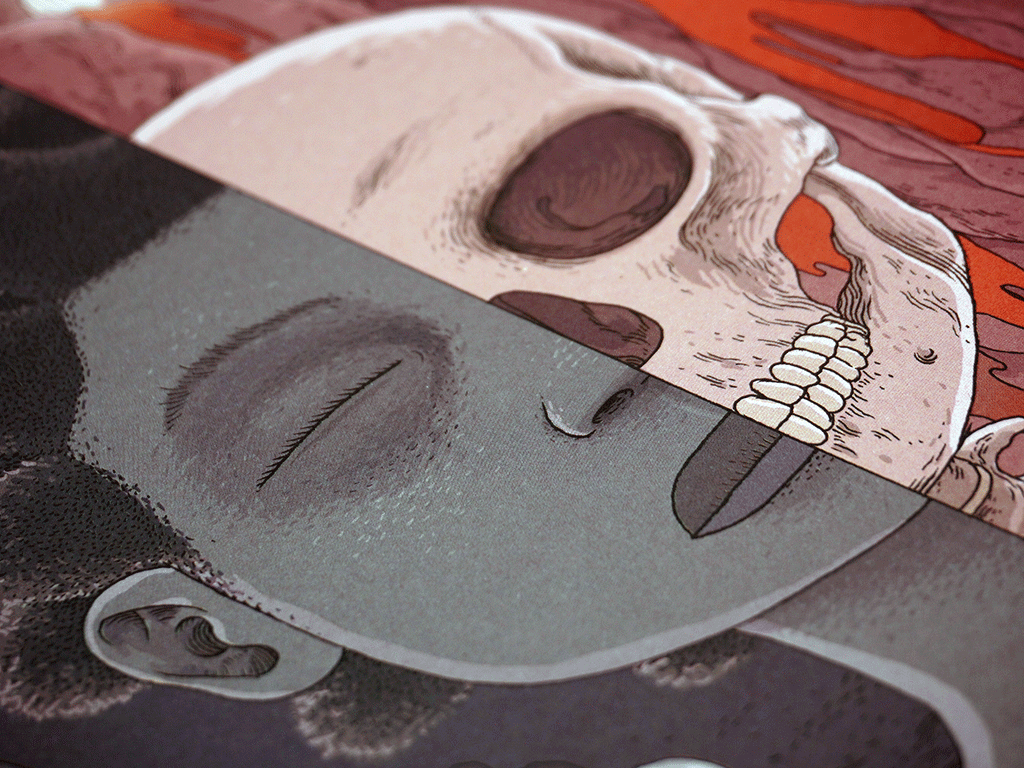
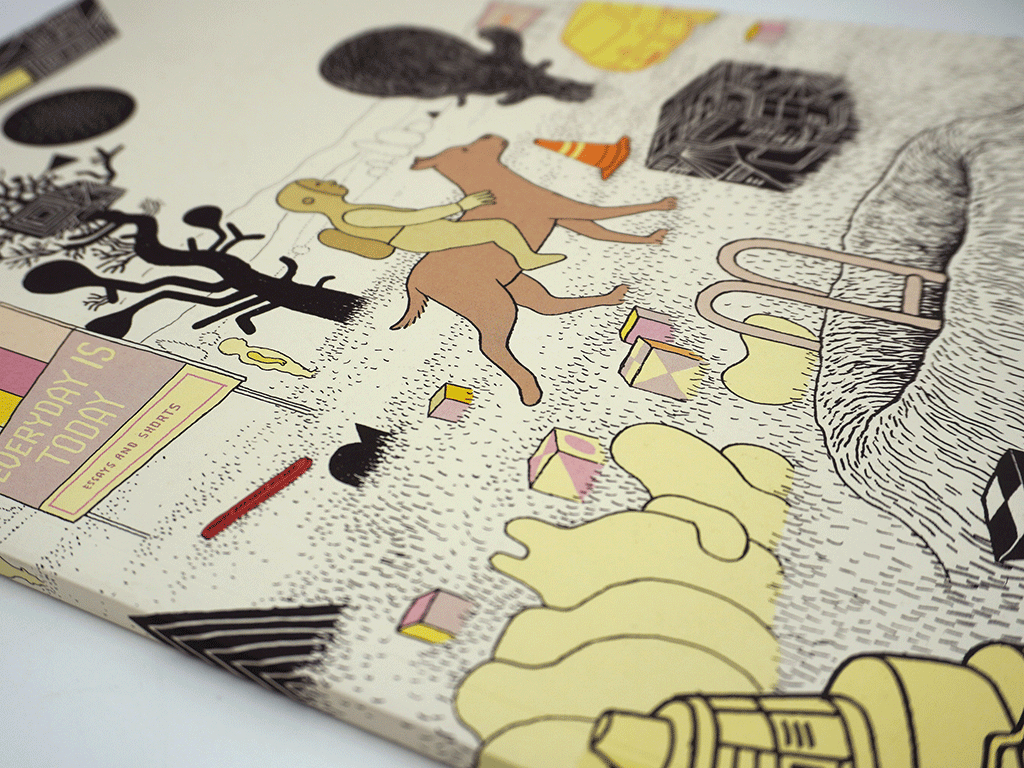
We’re seeing a move away from coated, laminated covers towards uncoated covers finished with a water-based varnish. Publishers and brands are looking at how they can achieve the right visual and tactile result with less plastic.
It’s a small change with a real impact, lamination is a thin layer of plastic bonded to the cover, and removing it improves the recyclability of the cover and cuts carbon.
It also does something for the feel of a book: uncoated, varnished covers have a soft, tactile, almost earthy quality that coated stock just doesn’t have. Expect to see more of this on trade titles as publishers look for ways to hit sustainability targets without compromising on shelf appeal.
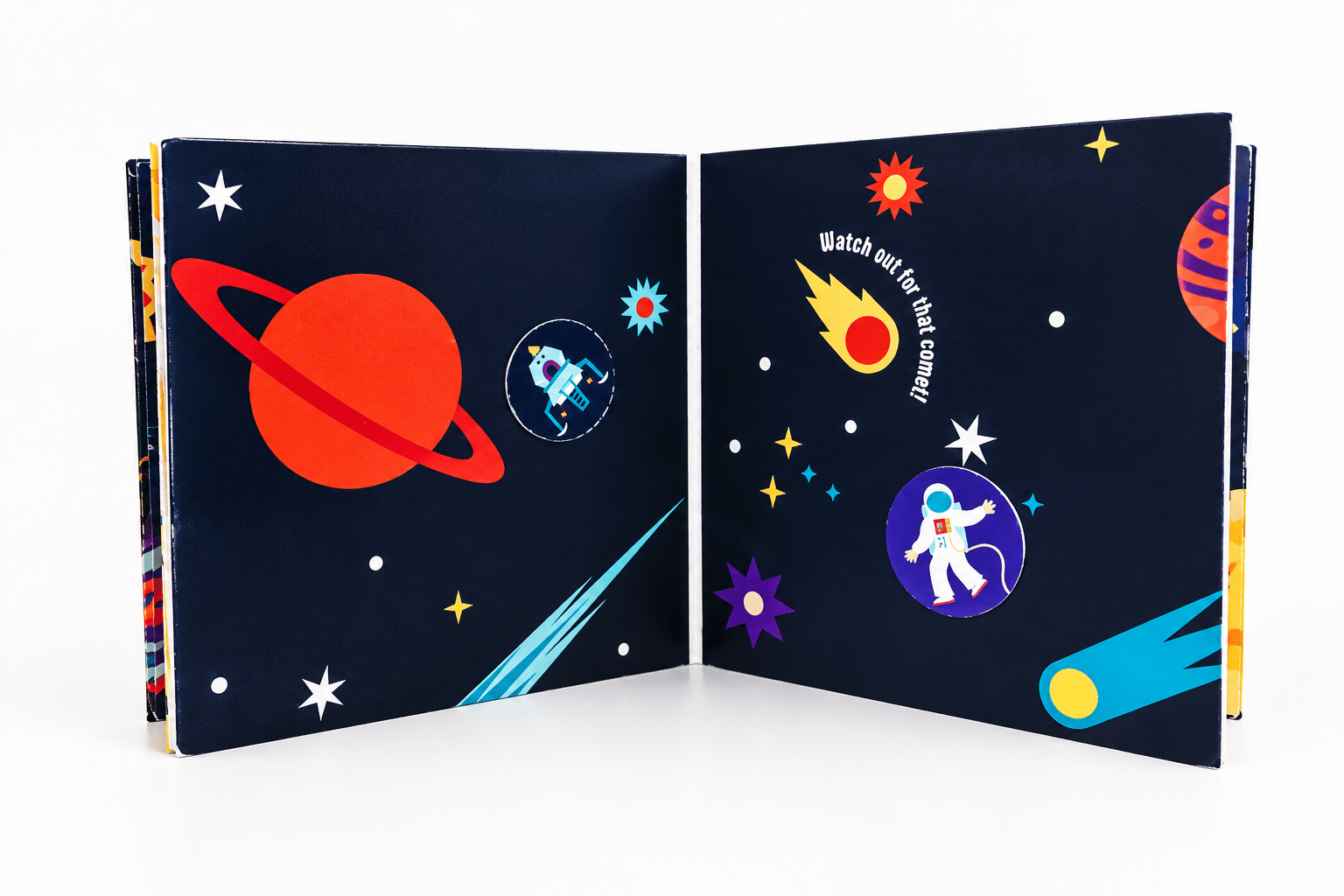
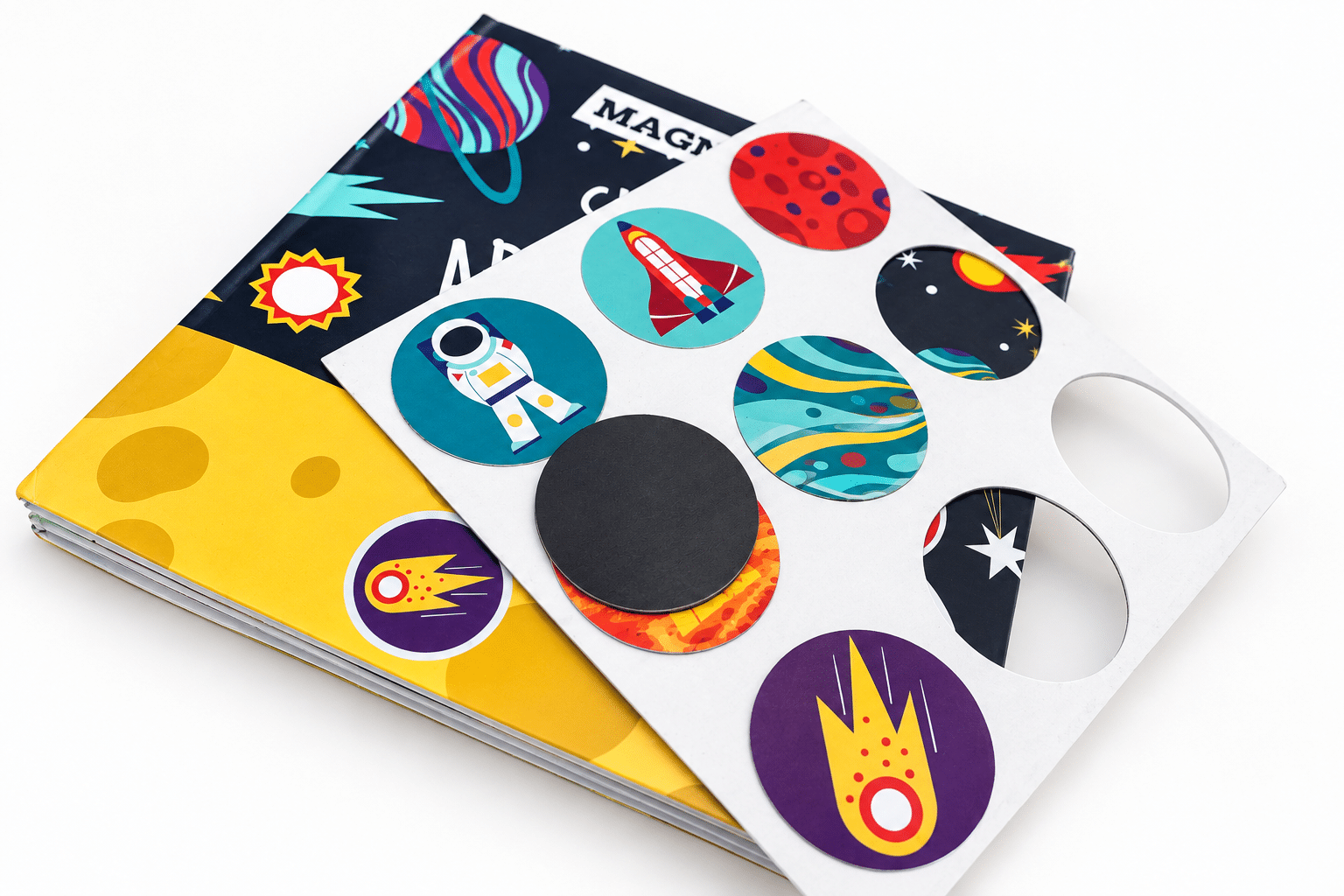
Magnetised Books
Last but not least, a format real powerful in educational and early-learning publishing: magnetised books.
Rather than using loose, rubberised or plastic encased magnetic pieces – which can pose a choking / swallowing hazard – magnetic ink is printed and sandwiched between the layers of each spread, so the pages themselves become a magnetic base for play. The accompanying play pieces can also be made with paper / board based printed with the magnetic ink.
It opens the door to books where characters, props or puzzle pieces genuinely stick to the page, brilliant for educational purposes, sensory learning, and interactive formats.
Interested to find out more about magnetic ink, get in touch.
So, what should you take from the 2026 Book Publishing Trends?
Looking across these examples, one thing stands out: the definition of a “book” is becoming much broader.
A lot of these book printing trends point in the same direction: people are interested in originality and more interaction.
For publishers, this opens up exciting creative possibilities. For printers and production partners, it means that the process starts much earlier than the press.
Paper selection, board construction, die-cutting, binding, finishing, assembly and even sourced components all need to work together. And that’s where Imago Group comes to help with your project, to help on every step of the way.
FAQs: Book Publishing Trends 2026
What's actually driving the interactive book trend right now?
Mostly readers wanting something that still feels a bit special. Rather than sticking a novelty extra in a box next to the book, publishers are building it into the binding itself, a torch that tucks into a card holder, a magnifying glass that slots into the endpaper. It only works if the prop is part of using the book, not just packaging.
Is uncoated board with a water-based varnish as durable as a laminated cover?
For most trade and gift titles, yes, it holds up well. You’re trading a small amount of scuff resistance for a softer, more tactile finish and a lot less plastic in the cover. Worth talking through with your print partner based on how much handling the book’s likely to get.
When to use digital foiling instead of traditional foiling?
Digital foiling is ideal when you need speed, flexibility, or smaller production runs. It allows for easier design changes and quicker turnaround times. Traditional foiling is still a strong choice for larger volumes where consistency and cost per unit are key. Many projects actually use both methods depending on the stage of development.
How far ahead should we be planning something like a puzzle advent calendar or a book charm edition?
Earlier than you’d think. Anything with bespoke components, metal chains, magnets, LED modules, individual puzzle compartments, needs longer for sourcing, safety testing and sampling than a standard title. If you’re thinking about next Christmas, autumn is genuinely the right time to start that conversation.
Do these novelty formats cost a lot more to produce than a standard hardback?
There’s usually considered premium, yes, since you’re adding components and extra production steps on top of the book itself. How much depends on the format, a foil-blocked spine charm is a very different cost conversation to an LED light module with a concertina insert. Best to talk through the idea early so the budget and the design can be worked out together, rather than the spec getting cut down later to fit a number.
Let’s talk about your next project
If you’re exploring any of these ideas, we’d be happy to help.
At Imago Group, we work with a global network of print partners to bring projects to life, from concept through to production.
👉 Get in touch with the team to start the conversation.
Share This: