Manga Printing | Kenshin Perfect Edition | Imago Group | Case Study


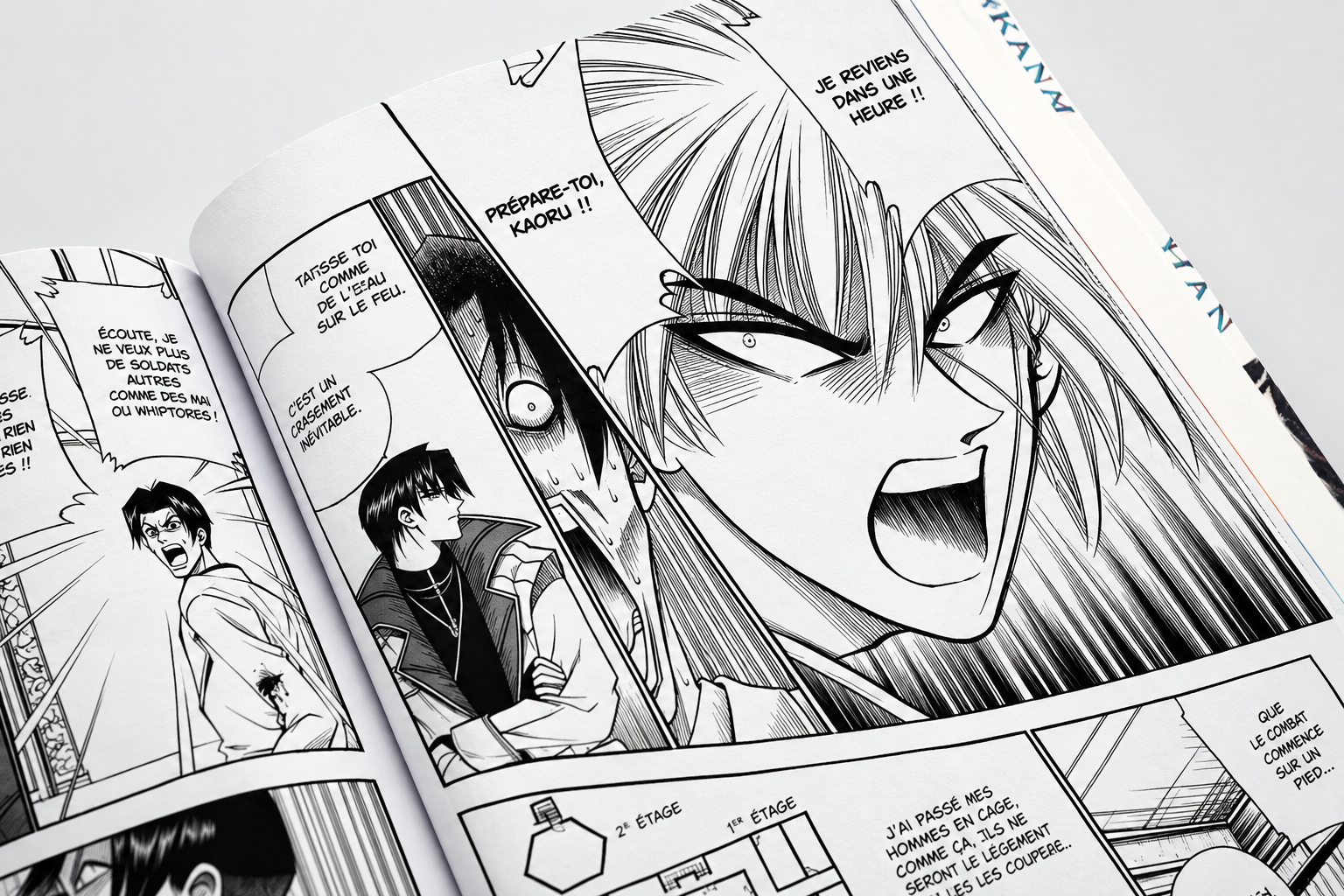
Some titles earn a collector edition. Kenshin is one of them: a series that’s shaped manga culture for over two decades, and one that Éditions Glénat wanted to honour properly.
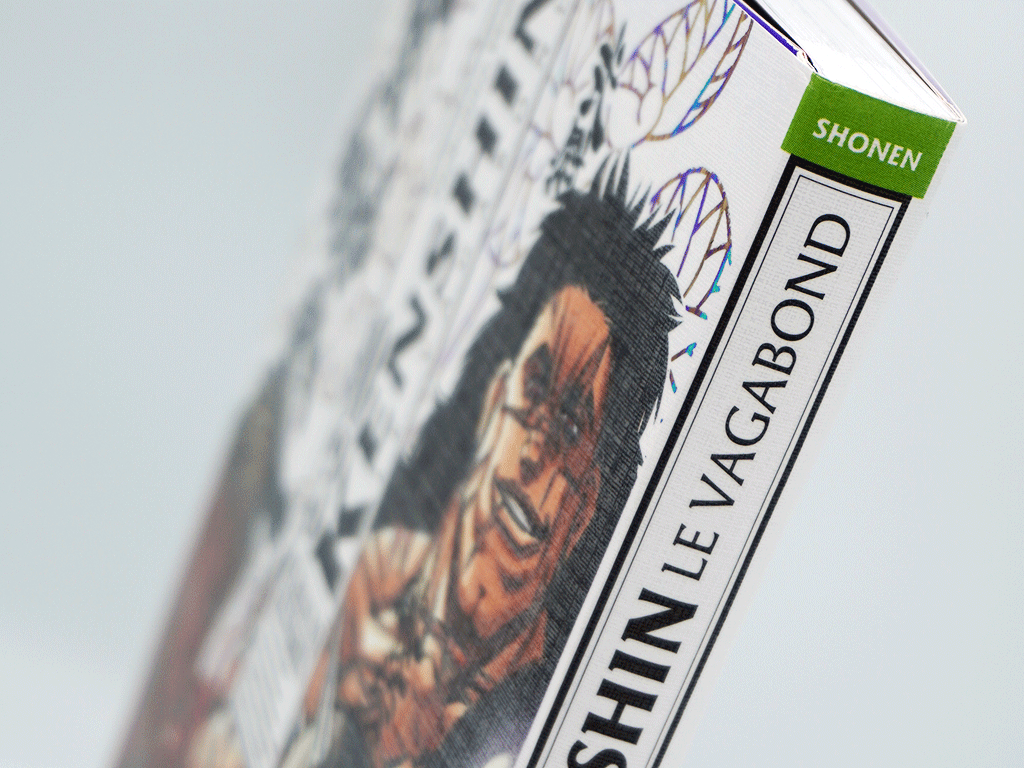
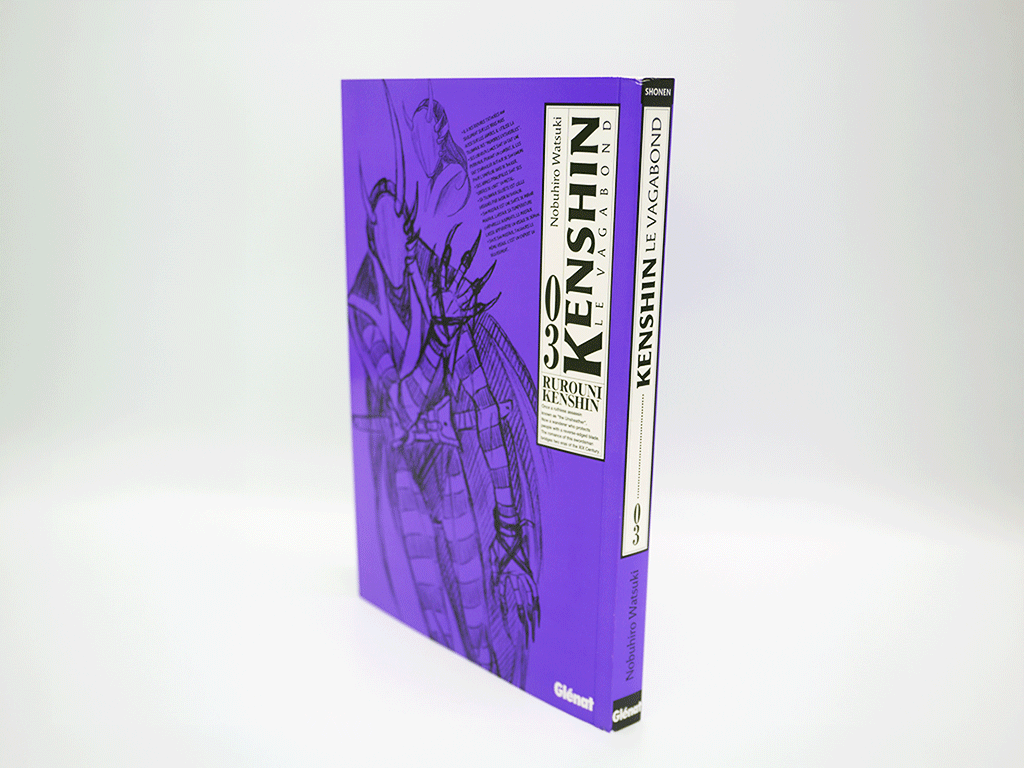
That meant five different paper stocks in a single volume, a woven linen textile jacket with full-cover holographic foil stamping, section-sewn binding in authentic Japanese reading order, and a content that follows the same interior from volume to volume across the series. Imago Group took on the full production run (3,000 copies) managing everything from the premium paper stocks and woven textile materials to the multi-stage jacket finishing and the binding.
What made this Manga Printing project different
Five substrates, one volume
What set this manga collector edition printing project apart technically was the layering of substrates within a single volume. The main manga pages, the full-colour art insert, the decorative linen interior pages, and the endpapers each required separate stock selection, separate colour proofing, and individual management through the print and binding process, all of that before the section-sewn binding to bring them together in the correct sequence for right-to-left Japanese reading order.
Holographic foil on a textile jacket
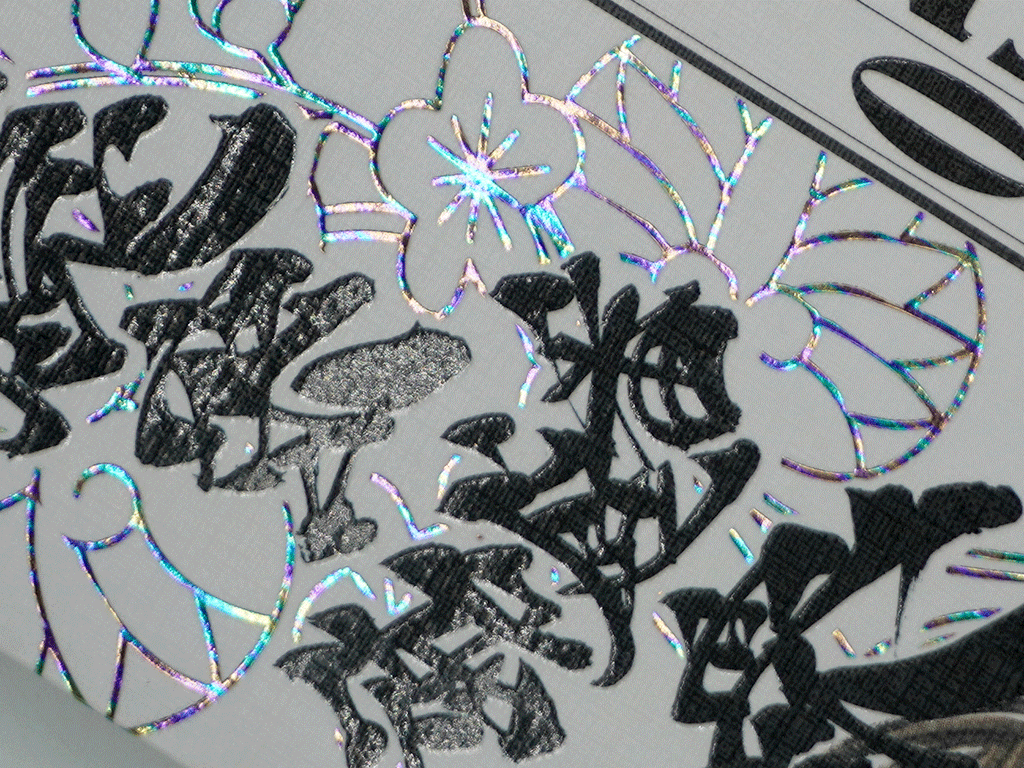
The jacket finishing programme added a further level of complexity. Holographic foil stamping on Wibalin Fine Linen demands precise heat and pressure control that flat stocks don’t, the texture of the linen weave creates variation that must be compensated for at the stamping stage. Getting it right on a luxury textile material with no margin for waste required close management of every finishing step, from matt lamination and spot UV through to the detailed holographic foil application.
Production complexity for a Perfect Edition
For premium manga printing at this level, production complexity and creative ambition are inseparable. Each of the five substrates has its own colour profile, its own handling requirements, and its own contribution to the final reading and handling experience. Coordinating them within a single limited-edition volume is the core of what Imago Group does.
What sets this Manga Collector Edition apart
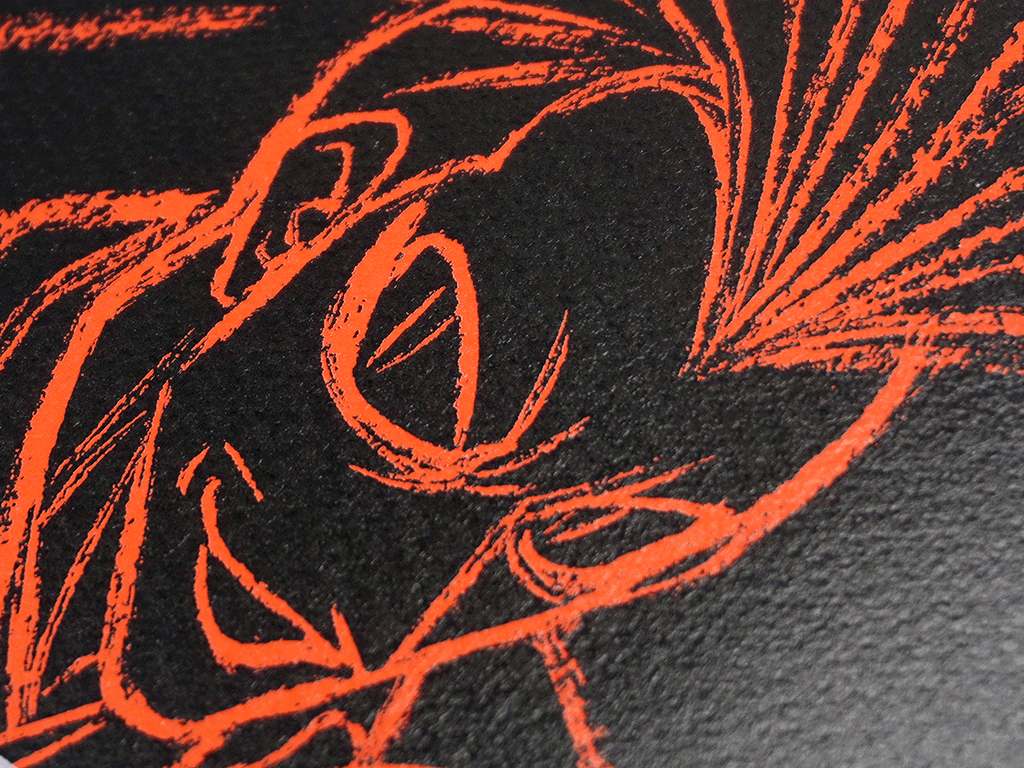
Two pages of full-colour artwork are printed 4/0 on 160 gsm Fedrigoni stock, a gloss art stock selected for its bright-white base and consistent colour reproduction. The colours pop, the surface is noticeably brighter, and it brings contrast between the two stocks.
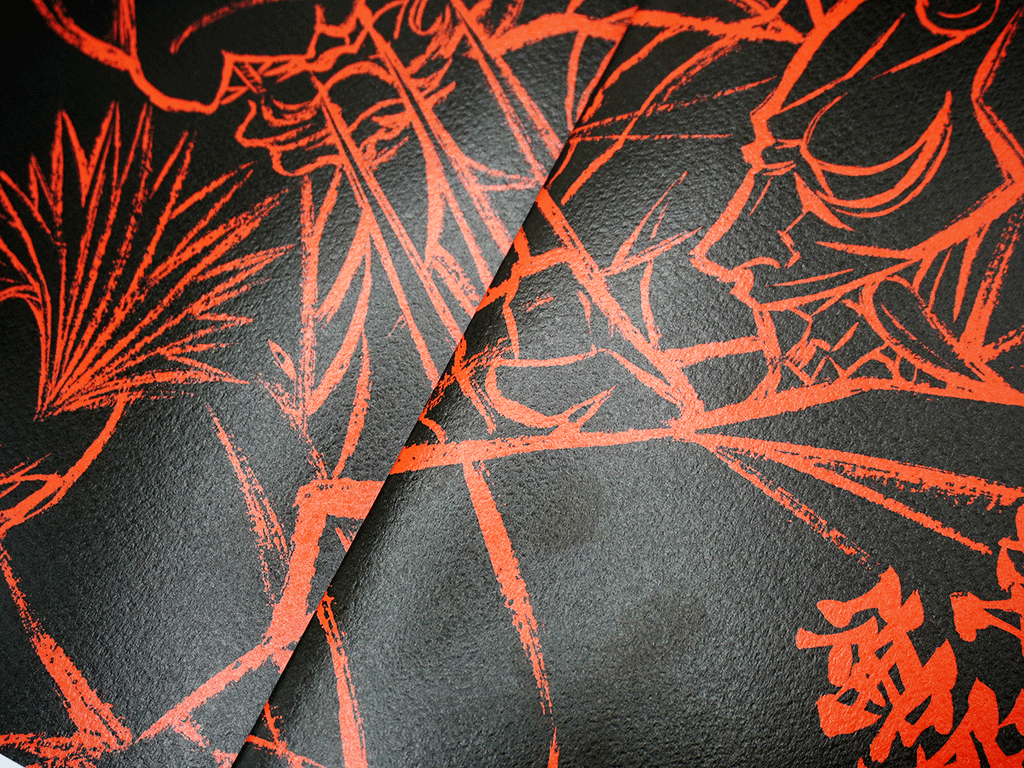
Two interior pages on the same woven linen cloth as the jacket,printed on 1/2 – an unusual specification that makes the collector edition immediately distinct from any standard volume. The separate endpapers are printed on a textured 160 gsm art paper that provides a tactile transition between the Linen jacket and the smooth interior content. Both stocks needed their own colour proofing, because the same values behave very differently depending on what surface they land on.
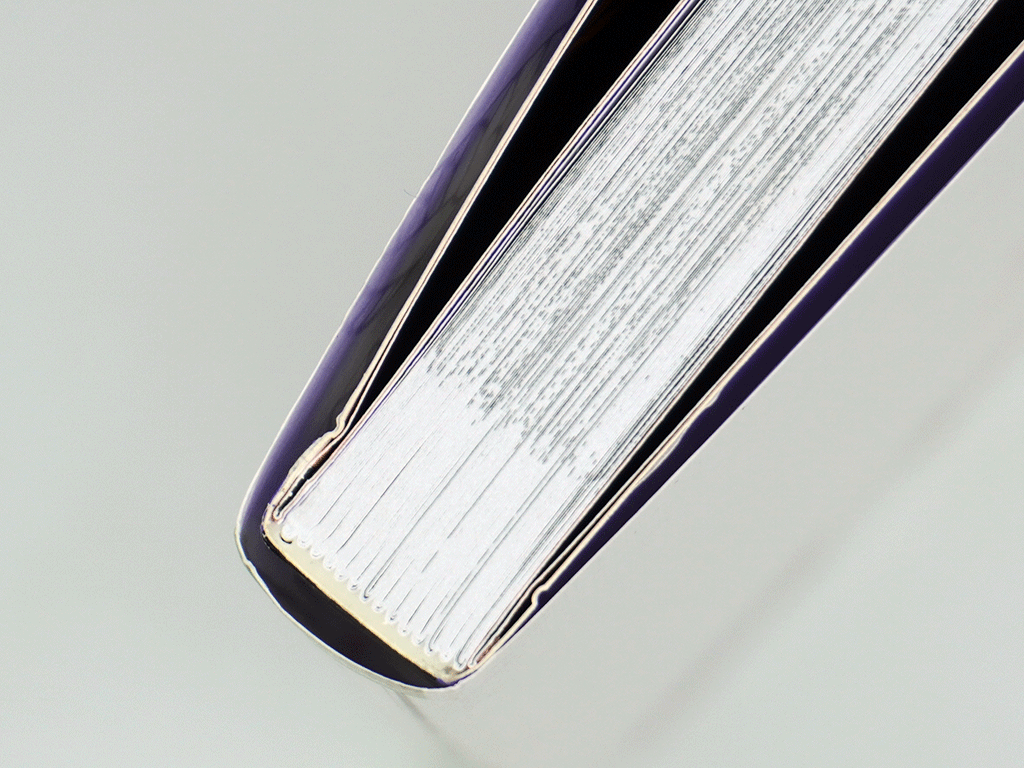
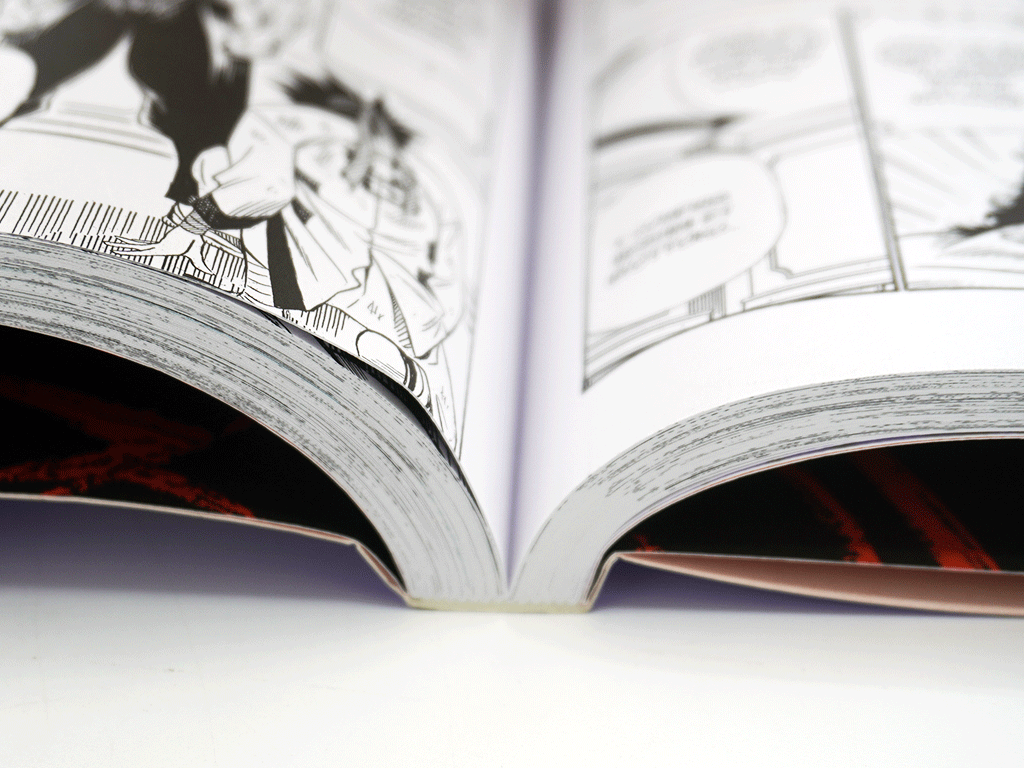
The book is section sewn – meaning each signature is stitched through the fold with thread before everything is gathered and bound. The result is a binding that opens flat and holds its structure. A 230 gsm limp cover with machine varnish and a 6 mm hinge completes the structure, cut flush on three sides. The entire volume is sequenced in authentic Japanese reading order, right to left, preserving the original reading sense of Nobuhiro Watsuki’s artwork as the creator intended.
Project Specifications

Format
210×145 mm, portrait, 3,000 copies

Paper Type
Uuncoated woodfree, gloss art, woven linen, textured art paper, coated artcard

Binding
Section sewn, limp, cut flush 3 sides, Japanese reading order

Extras
Holographic foil stamping, matt lamination, spot UV

Printing
Offset lithography | 4-colour + mono sections

Linen paper
Woven linen cloth, 90 mm flaps front & back, 5/0
What is a manga deluxe edition?
A premium release that combines the manga with exclusive merchandise (notebooks, stickers, art prints, branded stationery.) These editions are designed to give readers added value while marking milestone releases or series conclusions.
What makes a deluxe edition difficult to produce in manga printing?
Unlike a standard book, a deluxe edition brings together multiple products that require different manufacturing processes, suppliers and lead times. The production challenge is coordinating everything to arrive together for final assembly without losing quality or missing the publication date.
Why was FM screening used for manga printing?
Shojo manga artwork contains fine screentones and subtle gradients that produce visible moiré when printed using conventional AM screening. FM stochastic screening removes this interference, resulting in cleaner linework, smoother tonal transitions and more faithful reproduction of the original artwork.
Can Imago Group source merchandise as well as books?
Yes. We manage the production of both printed books and complementary merchandise ensuring every component meets the same quality standard.
Do you manage assembly and logistics?
Yes. Alongside print production, we coordinate assembly, packing and delivery so that all components arrive together as a retail-ready product, even when manufactured by different suppliers.
Do you only produce manga?
No. Imago manages production across illustrated books, graphic novels, children’s books, collector and special editions, promotional packaging and premium print projects across the full range of publishing sectors.
What is holographic foil stamping on book jackets or covers?
It’s a hot-foil process: a metallic foil is pressed onto the jacket under heat and pressure. The “holographic” part means the foil is prismatic: it splits light and shifts colour as you tilt the book, giving you that iridescent shimmer rather than a flat gold or silver finish.
What is section sewn binding and why is it used for manga collector editions?
Also known as Smyth sewn, it’s where the printed sheets are folded into signatures (small booklets), each one sewn through the fold with thread, before they’re all gathered and glued at the spine. The result of this binding is a book that opens completely flat, doesn’t crack, and won’t shed pages after years of use. For a collector edition that readers plan to keep and re-read, it’s the only binding that really makes sense.
Start your project
Imago would be delighted to work with you on your next print project. Get in touch with the team to discuss your ideas, no matter how out of the box they might seem!
We managed every part of this manga printing, the five paper stocks, the inserts, the jacket with its three-stage finishing process, and the section-sewn binding running right to left. All of it, 3,000 copies, one production run.
Deluxe editions look straightforward from the outside. Inside the process, they’re not. You’re managing five different substrates with different lead times, proofing each stock separately, coordinating finishing stages that interact and all of that has to land on the same delivery date.
Complex production doesn’t have to feel complex. That’s our job.
Start your project
Planning a limited-edition manga, a premium illustrated book or a luxury collector’s release?
Contact Imago Group to discuss premium finishes, multi-substrate production, and worldwide manufacturing management.