8 Book Binding Techniques Explained (With Examples)
The 8 most common book binding techniques explained with real print examples
Choosing the right book binding type is one of the most important decisions in print production.
The binding you choose affects:
- Durability
- Cost
- User experience
- Overall product quality
In this guide, we break down the most common binding techniques used in professional printing — with clear explanations, comparisons, and real-world applications.
What are the main types of book binding techniques?
The most common book binding types are:
- Perfect binding
- Case binding (hardback)
- Flexibound binding
- Wire-O binding
- Spiral binding
- Saddle stitching
- Lay-flat binding
Each method is suited to different types of books and budgets.
Case Bound (Hardback)
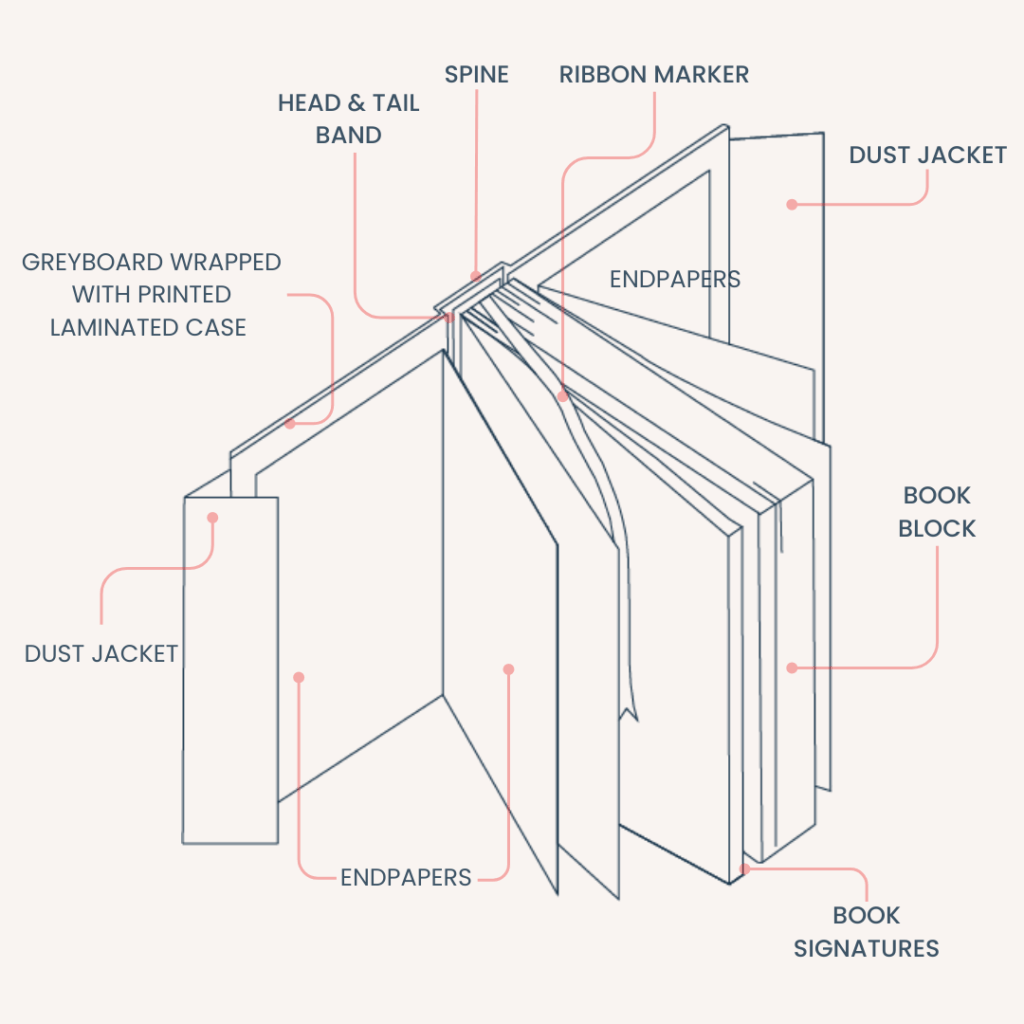
The king of book binding. Case bound books are sturdy, long-lasting, and always look premium. The folded sections are sewn, endpapers affixed and glued into a rigid grey board case which is then covered with a paper, cloth or leather / imitation leather cover.

Think coffee table books, luxury publications, or anything you want people to treasure (and proudly display). It’s not just a binding—it’s a statement


Wire-o Bound
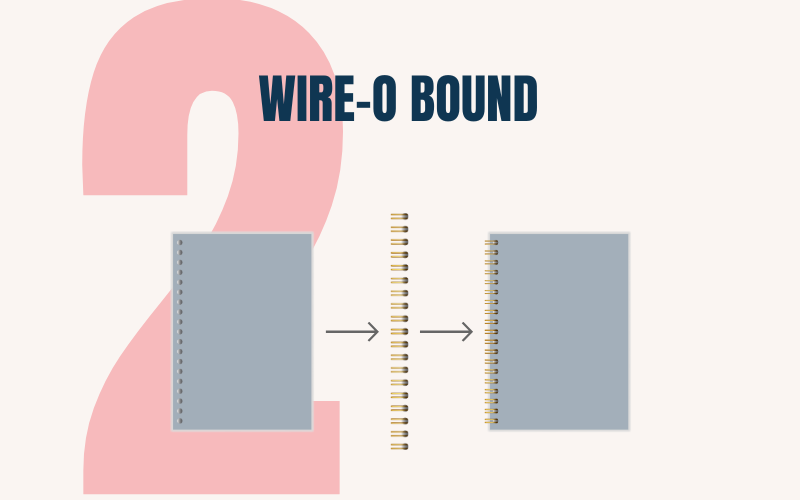
If you want something practical and easy to use, wire-o (or spiral binding) is perfect. The pages turn all the way around, so your book lays flat on a desk—ideal for calendars, recipe books, and notebooks. Plus, you can choose the wire-o or spiral colour to match your design.
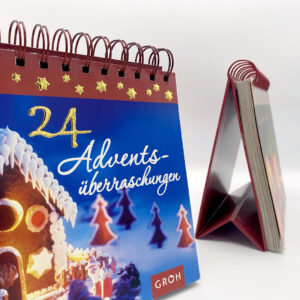
Small detail, big impact . Covers can be cased or limp, spines exposed or concealed. So versatile!


Singer Sewn Binding
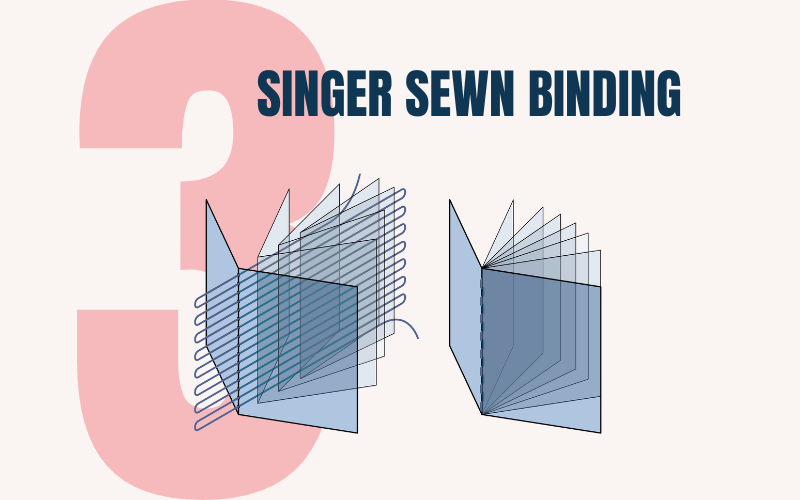
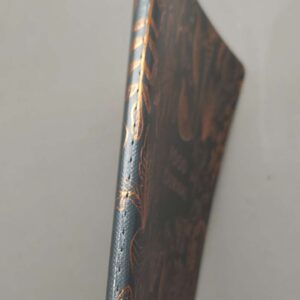
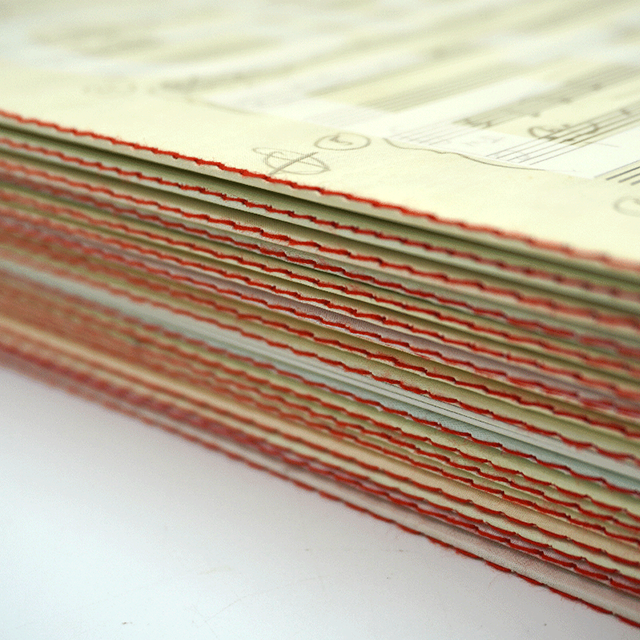
This one’s a little different. Instead of glue or staples, Singer Sewn Binding uses a continuous line of sewing along the spine. It looks creative and a bit crafty—in a good way.
It’s often used for design-led projects like lookbooks or special brand brochures where the finish really matters. Use contrasting colour threads for an eye catching result.

Screw Post Binding
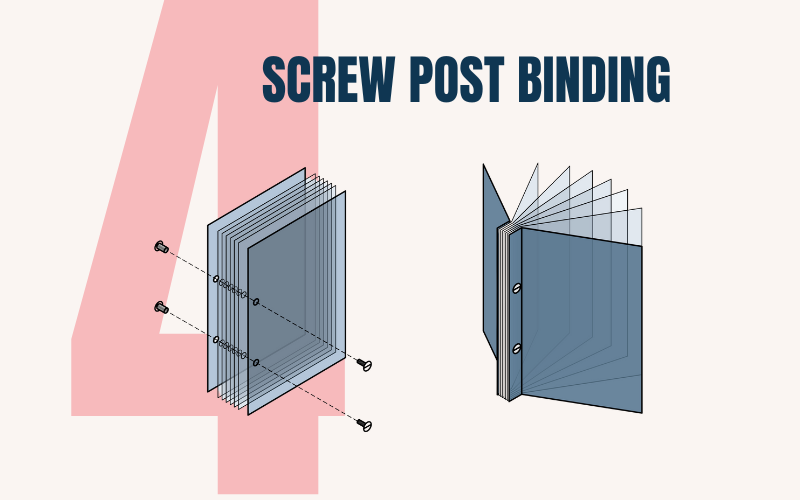
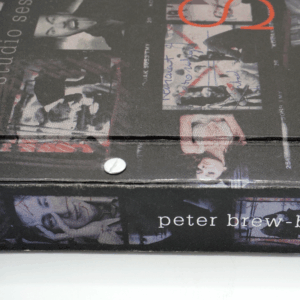
Strong, simple, and very handy. With screw post binding, the pages are drilled and held in place with metal posts. The clever bit? You can easily add or swap pages later. That makes it brilliant for portfolios, swatch books, or anything you need to update over time.

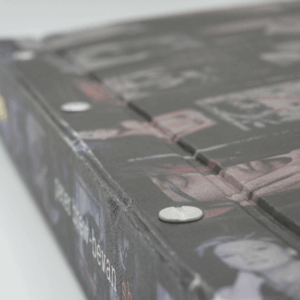
Perfect Bound (PUR binding)
Chances are you’ve picked up hundreds of perfect bound books without even realising it. It’s the method most paperback novels, magazines, and catalogues use: pages glued into a wrap-around cover for a sleek, professional finish.

It looks good, feels good, and is cost effective. PUR binding is a superior form of perfect binding, PUR refers to the flexible polyurethane glue that is used.
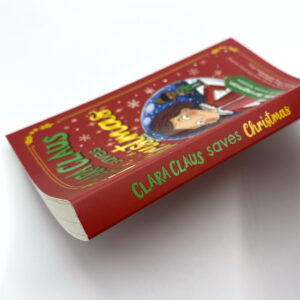
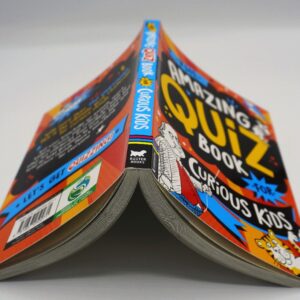
Saddle Stitch Binding (Wire stitched)
Quick, cost-effective, and reliable. Saddle stitching staples the pages together in a single section through the fold—perfect for slimmer projects like brochures, programmes, and booklets under about 64 pages. It’s straightforward and does the job beautifully.

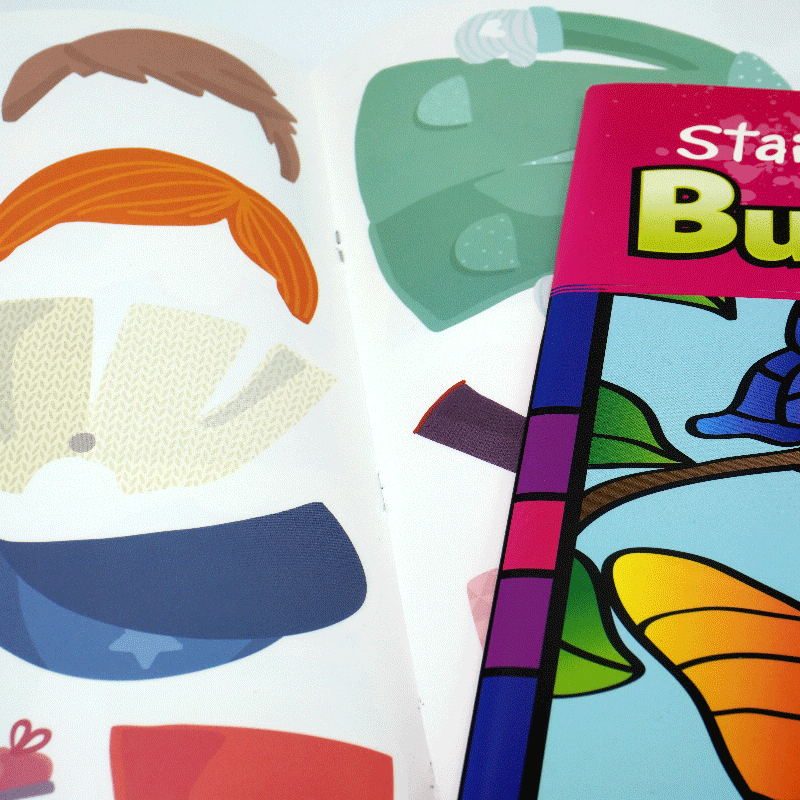


Flexibinding or Flexibound
One of the most popular choices for stationery and gift books. Flexibound books combine the good looks of a hardback with the supple feel of a paperback, giving you the best of both worlds at a cost somewhere in between.

Read more about Flexibound Books & Flexibinding here.

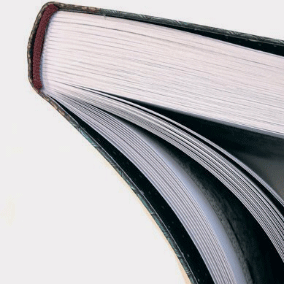

Lay Flat Binding (OTA Binding)
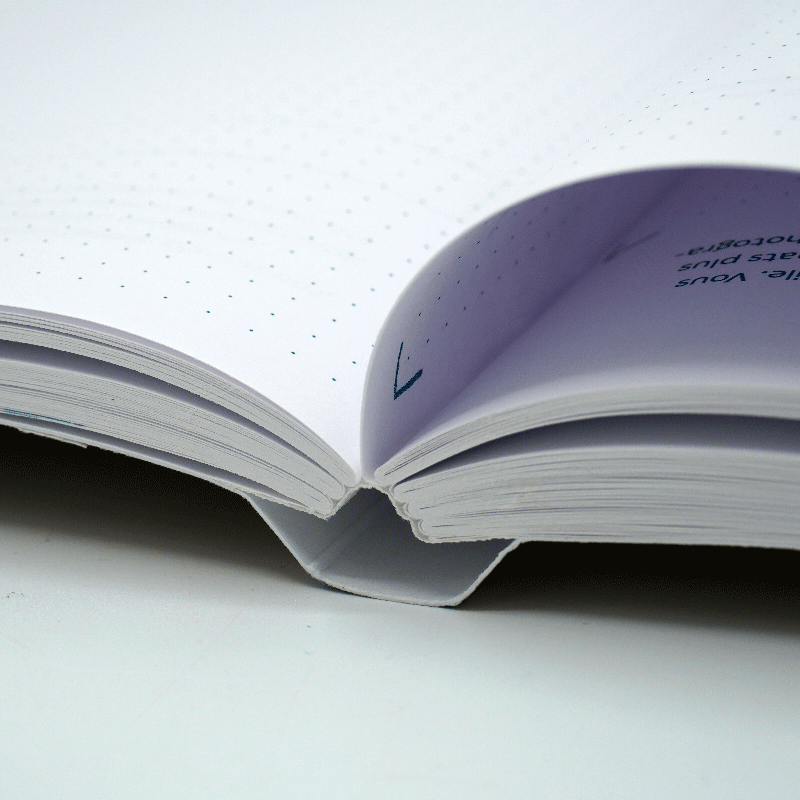
Lay-flat binding means your book stays open and flat on the table when opened. It’s brilliant for cookbooks, manuals, notebooks and other projects where hands-free reading is a must.
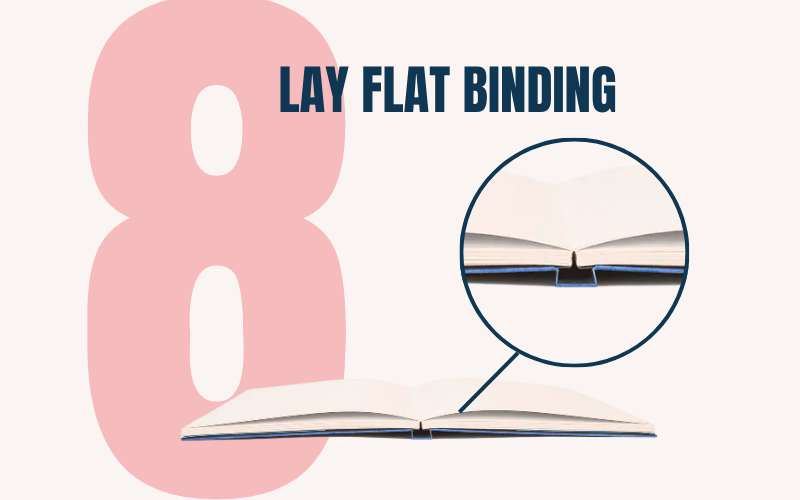
There are other ways of creating a paperback book which lies reasonably flat, but Ota binding is the real deal.


How to choose the best binding techniques for your project
Ask yourself:
- What is your budget?
- How many pages?
- Does it need to lie flat?
- Is it a premium product?
Example:
- Novel → Perfect binding
- Luxury book → Case binding
- Workbook → Wire-O
Choosing binding in professional print production
At Imago, binding is selected based on:
- End use of the product
- Distribution constraints
- Material compatibility
- Finishing techniques
The right binding is not just technical — it’s strategic
Need help choosing the right binding techniques?
Our team can guide you through the best binding options based on your product, budget and market.
👉 Start your project today and speak to our print experts
Share This: